A Contractor Won't Return Your Truck. Here's What You Can Actually Do.
The truck is still moving after the contractor was fired. Here are the real recovery options, from a demand letter to physical control of the asset.
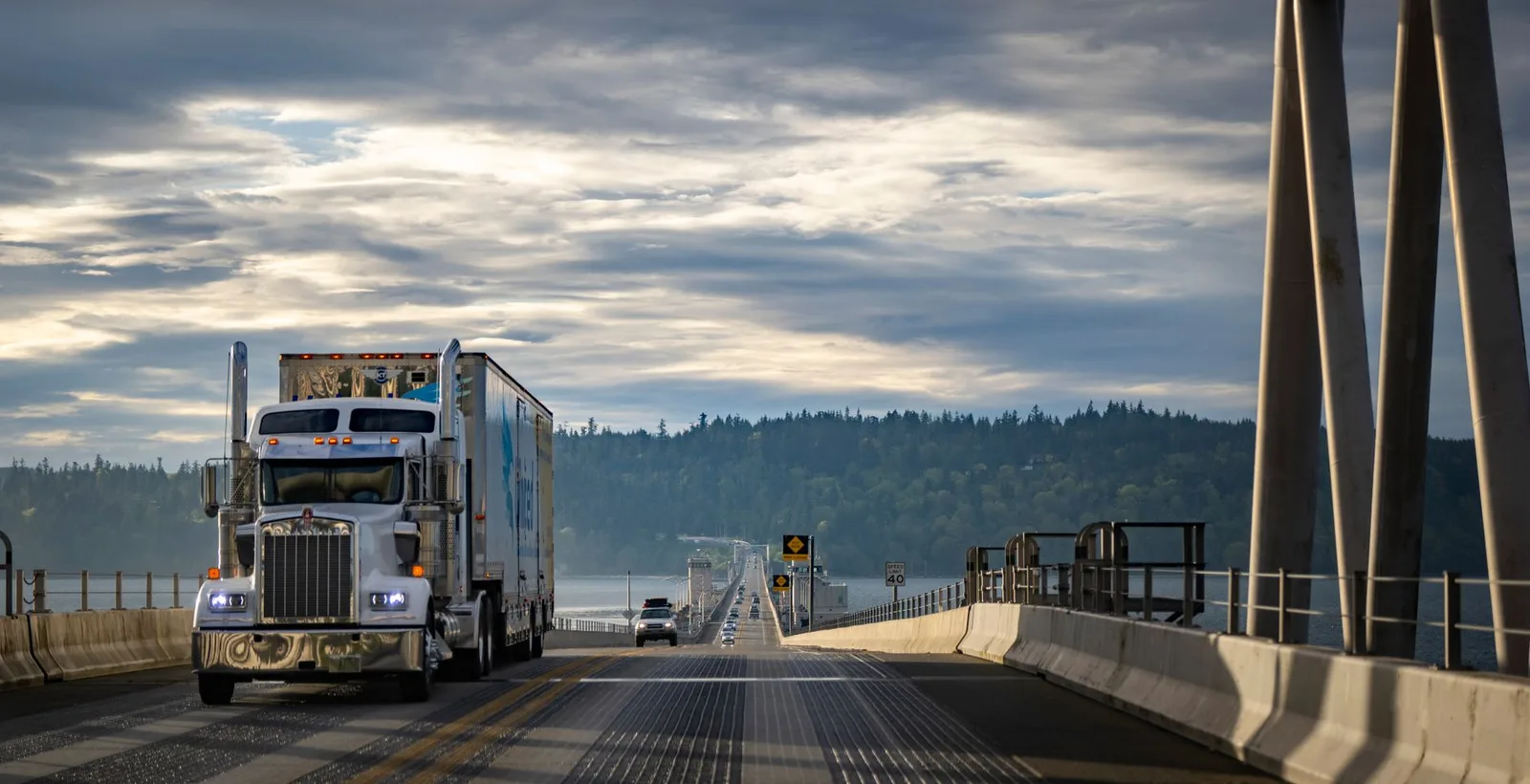
Photo credit
Photo by Alex Kovshovik via Pexels (https://www.pexels.com/photo/semi-truck-crossing-a-washington-bridge-under-cloudy-skies-37538283/)You fired a contractor, but they still have your truck and keep running it. The GPS dot moves while tolls, fuel costs, and weight-station notices keep landing in your company?s name.
This is the owner?s nightmare nobody likes to talk about. Your name is on the title, but the keys are hundreds of miles away. The driver will not answer. Or they promise to return it ?next week,? then the truck moves again.
You call the police. Because the driver had permission to take the truck at first, they may call it a civil matter. Now you are stuck watching a map while the truck keeps working for someone else.
Here is what you can do. The right move depends on your contract, title, state law, and insurance policy. Get your attorney involved early.
What should you do first?
Start a clean paper trail. Do not rely on phone calls alone.
Save the signed contractor agreement, title, registration, insurance card, and equipment agreement. Take screenshots of the truck?s location and movement. Save texts, emails, call logs, fuel-card charges, toll notices, and weight-station paperwork.
Write down when permission to use the truck ended. Record when you asked for it back, what return place you gave, and how the contractor answered. Keep every message short and calm.
Then shut off access that you control, if your contracts and attorney say you can. That may include fuel cards, company load boards, payment cards, or dispatch accounts. Do not wipe records you may need later.
Give your attorney one folder with the timeline and proof of ownership.
Why might police call it a civil matter?
You handed over the keys for company work. The fight started later, when you ended the deal and asked for the truck back.
An officer may see a contract fight, not a simple stolen-truck call. That does not decide who owns the truck. It means you may need records, an attorney, and a court process.
Ask for an incident number if a report is taken. Write down the agency, date, time, and the name of the person you spoke with. Do not argue with dispatch or try to force a criminal label. Let your attorney decide what to send next and which agency or court has the right location.
Will a demand letter get the truck back?
Sometimes. A demand letter makes the problem clear in writing.
Your attorney can state that the work deal has ended, permission to possess the truck is withdrawn, and the truck must be returned to a named place by a firm deadline. The letter can list the truck?s VIN, plate, unit number, and current condition if known. It can also say that further use is not allowed.
The letter should use a delivery method that creates a record.
A good letter closes the door on ?I did not know.? But it is still a letter. It cannot grab the keys.
What about a civil suit?
A civil case may be the formal way to seek return of the truck. The name of the claim and the steps vary by state. Your lawyer may ask a court for an order dealing with possession of the vehicle.
The problem is time and cost. Papers must be filed, the other side must be served, and a hearing may be needed. The truck may keep moving while that work goes on.
Ask your attorney direct questions:
- Where should we file, and can we ask for fast relief?
- What proof does the judge need?
- Can we seek towing, storage, damage, tolls, or lost income?
- What can we do now without hurting the case?
Do not guess. A move that feels fair can still create trouble if it breaks a contract, a court rule, or state law.
Will insurance step in?
Do not count on it. Many owners learn that a person who received the truck with permission is not handled the same way as a stranger who stole it from a lot.
Coverage depends on the policy and the facts. Call the carrier and report the problem as soon as your policy requires. Ask for the decision in writing. Give accurate facts. Do not change the story to make it sound like a different kind of loss.
Ask what happens if the contractor wrecks the truck, damages cargo, or hurts someone while using it. Send the answer to your attorney. The call is important, but it may not put the truck back in your yard.
Why is a GPS dot not enough?
GPS gives you location. That helps build the timeline and may help your attorney or recovery team plan.
But a dot on a screen does not control the engine. It does not take the keys away. It does not make the contractor follow your demand letter.
Do not drive out alone and start a parking-lot showdown. The driver may be angry. The truck may be loaded. The site may be private property. Talk with your attorney and, when needed, local law enforcement or a lawful recovery service before anyone approaches the truck.
What does physical control change?
The owner needs a safe, lawful way to stop more use of the asset. That control must match the equipment and the owner?s legal rights.
For an owner acting on their own titled vehicle, an active kill switch can shut down a running engine once the truck is stationary?parked or idling?and keep it from restarting. That usually ends the standoff because the truck cannot keep running loads. The owner should still document every step and involve their attorney.
The key words are ?once the truck is stationary.? Do not take any action that could stop a moving truck. Confirm the unit, location, title, and driver status before using any control. Keep screenshots and system logs.
You still need a plan to secure the truck, keys, trailer, cargo, and paperwork. You may need a tow, replacement driver, site permission, or law enforcement support.
What should owners avoid?
Do not threaten the contractor. Do not post their live location online. Do not send untrained people to confront them. Do not enter private property without permission. Do not make a false police or insurance report.
Do not remotely stop a moving vehicle. If your system only blocks the starter after shutdown, understand that limit before a problem starts.
Most of all, do not wait for the truck to ?probably come back.? Set a deadline. Put it in writing. Get legal advice. Make a recovery plan while the location data is still useful.
FAQ
Can I report the truck stolen?
You can report the facts and show proof of ownership, but the agency decides how it will handle the report. Tell the truth about how the contractor got the keys and when permission ended. Ask your attorney what records to provide.
Can I go get the truck myself?
Maybe, but do not assume you can enter private property or start a confrontation. Confirm the location and title, then plan with your attorney, local law enforcement, the property owner, or a lawful recovery service.
What should go in my contractor agreement?
Ask your attorney to cover who may possess the truck, where it must be returned, what happens after termination, who pays tolls and damage, and what vehicle controls may be used. Keep the signed copy with the title and equipment records.
HWY Pulse is published by CDL Protect, the company behind Horus GPS.
What it means
Drivers
Return the company truck on time and keep every handoff in writing.
Fleets
Build return rules, records, and lawful vehicle controls before a contractor dispute starts.
Safety pros
Make sure any engine-control step works only when the vehicle is stationary and is fully documented.
BRFree weekly briefing
Keep the whole compliance week in view.
The HwyPulse Briefing links every primary source and puts deadlines in one five-minute read.
Get the briefing →Primary sources
NXKeep reading
Related coverage
The Real Cost of a Truck Breakdown Is Everything Around the Repair
Small and midsize carriers often have enough trucks to suffer costly breakdowns, but not enough maintenance staff to manage them around the clock. Stefan Stojancic thinks the answer is to treat maintenance as an operating system, not a string of emergencies.
Which Inspection Violations Don’t Affect Your CSA Score—and Should Your Fleet Still Fight the Ticket?
Search an exact inspection violation code against FMCSA Appendix A v3.21, calculate its base time-weighted points, and understand what a not-listed result does—and does not—mean.
Hours-of-Service Rules: A Plain-Language Overview
A source-linked guide to the main federal on-duty, driving, break, and restart limits for property-carrying drivers.