Hours-of-Service Rules: A Plain-Language Overview
A source-linked guide to the main federal on-duty, driving, break, and restart limits for property-carrying drivers.
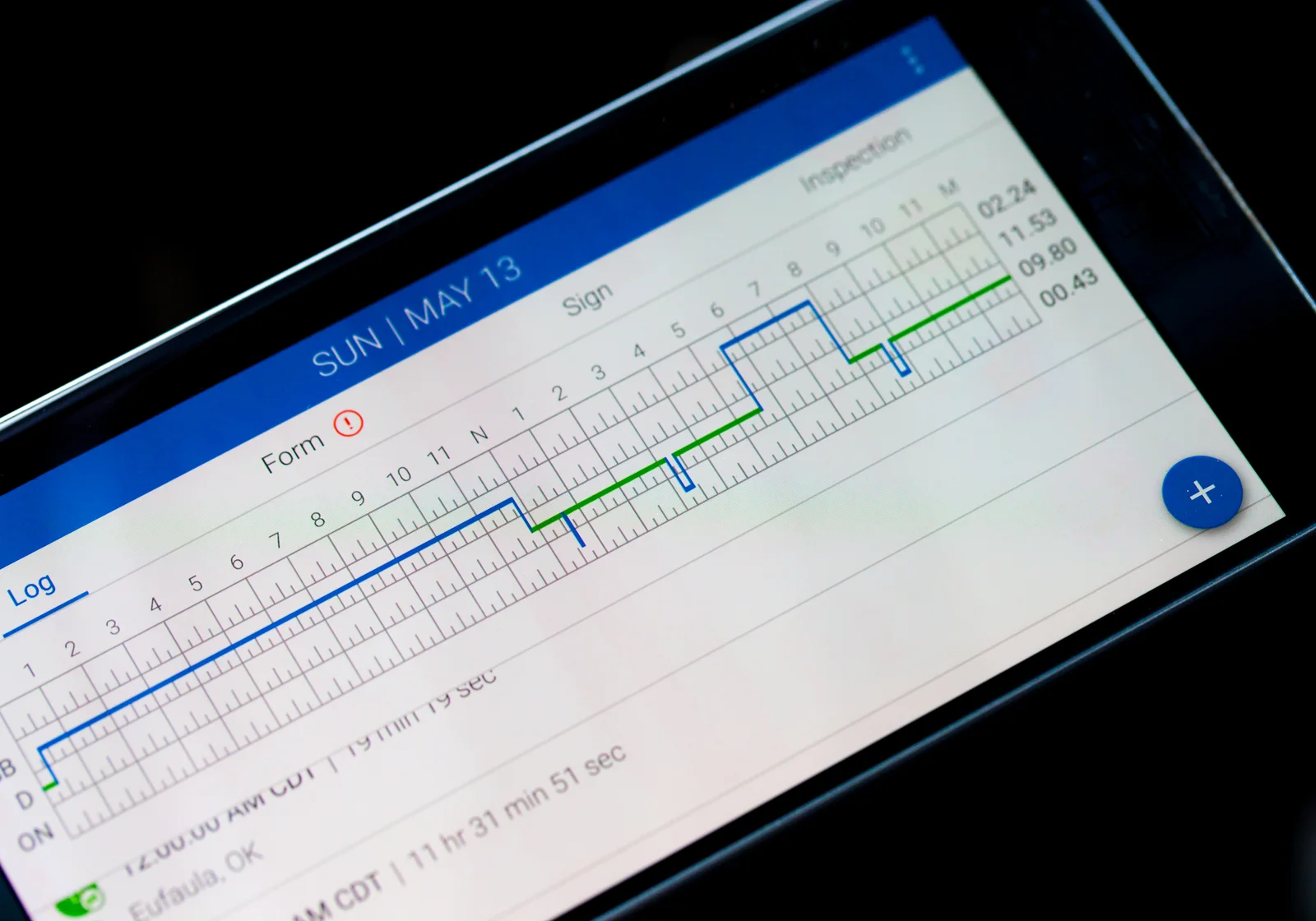
Photo credit
Moab Republic - stock.adobe.com (Asset 345132470)Federal hours-of-service rules set limits on when many interstate commercial drivers may drive and remain on duty. The Federal Motor Carrier Safety Administration maintains the controlling rules and explanatory material; this guide is a starting point for reading those official sources, not a substitute for checking the rule that applies to a particular operation.
The main property-carrier limits
FMCSA’s summary says a property-carrying driver may drive up to 11 hours after 10 consecutive hours off duty. The driving must fit within a 14-consecutive-hour window after coming on duty. Off-duty time generally does not extend that 14-hour window.
The agency also describes a 30-minute break requirement after eight cumulative hours of driving without at least a 30-minute interruption. A qualifying interruption can include on-duty, not-driving time; off-duty time; sleeper-berth time; or a qualifying combination.
Weekly limits are commonly described as 60 hours in seven days or 70 hours in eight days. FMCSA’s materials explain that a driver can restart the seven- or eight-day period after at least 34 consecutive hours off duty.
Sleeper berth and exceptions
Sleeper-berth provisions can allow qualifying periods to be split when the rule’s conditions are met. The two periods must add to at least 10 hours, one period must be at least seven consecutive hours in the sleeper berth, and the other must be at least two hours. The official rule and FMCSA guidance contain the details.
Short-haul, adverse-driving-condition, and other exceptions may change which provisions apply. Applicability depends on the operation, vehicle, route, and other facts. The safest source for current requirements is FMCSA’s hours-of-service page and the current text of 49 CFR Part 395.
Source-first compliance research
Rules and agency guidance can change. Record the date you checked a source, use the current official text, and distinguish a general summary from the exact provision governing an operation. Questions about a specific compliance situation can be directed to a qualified safety professional or the appropriate agency.
What it means
Drivers
The main federal limits work together: daily driving time must fit inside an on-duty window and longer seven- or eight-day limits.
Fleets
Dispatch and scheduling systems need to account for driving, on-duty, break, sleeper-berth, and restart rules together.
Safety pros
FMCSA guidance and the current text of 49 CFR Part 395 are the primary references when an exception or edge case matters.
CDLTraffic ticket help
Got a traffic ticket?
If you got a traffic ticket, request a free quote from the nationwide network of attorneys at MyTrafficCase.
Request a free quote →NXKeep reading
Related coverage
FMCSA says 10 revoked ELDs trigger OOS citations
As of Sept. 8, 2026, drivers using the listed revoked ELDs, or improperly using paper logs, can be cited and placed out of service.
FMCSA says TRUCKSTAFF ELD users face OOS on Aug. 23
Safety officials are to place drivers out of service if they use the revoked TRUCKSTAFF ELD or improper paper logs.
FMCSA removes five ELDs from the registered list
Motor carriers have 60 days to replace the revoked devices, with an October 6, 2026 cutoff before out-of-service risk.